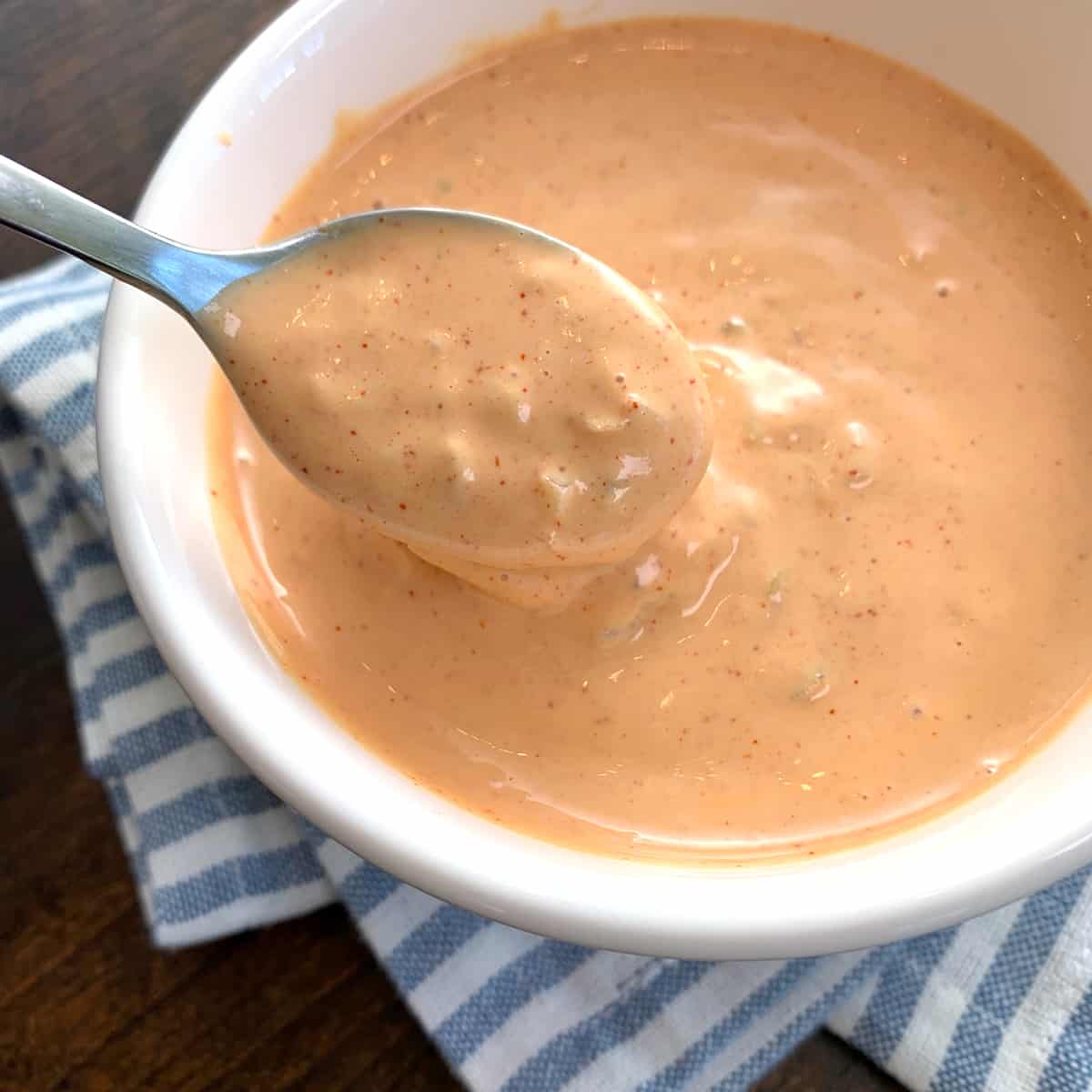
Homemade Big Mac Sauce: Is Thousand Island Really in It?
The Big Mac sauce is more than just a condiment; it's the legendary "special sauce" that elevates McDonald's iconic burger from good to unforgettable. Its creamy, tangy, and subtly sweet profile has captivated taste buds for decades, leading countless home cooks on a quest to replicate its magic. In this pursuit, one of the most persistent questions, and sources of debate, revolves around a specific ingredient: Is Thousand Island dressing truly a component of authentic
Big Mac sauce? Let's dive into the delicious details, separate fact from fiction, and help you craft the perfect homemade version.
The Quest for Authenticity: Debunking Myths About Big Mac Sauce
For years, the true recipe for McDonald's
Big Mac sauce was shrouded in mystery, leading to a myriad of copycat recipes, each claiming to hold the secret. This secrecy fueled speculation, and one common theory posited that the sauce was essentially a doctored Thousand Island dressing. The similarities are indeed striking – both are creamy, pinkish-orange, and feature notes of relish. However, as the digital age has progressed, culinary insiders and former McDonald's chefs have begun to pull back the curtain, revealing a more precise formulation that challenges long-held assumptions. The debate around Thousand Island isn't just a trivial one; it gets to the heart of what makes the Big Mac sauce truly unique.
The "Official" Word: A Former McDonald's Chef's Revelation
In a revelation that delighted fast-food aficionados, Mike Haracz, a former corporate chef at McDonald's, took to social media to share what he asserts is the closest you can get to the authentic
Big Mac sauce recipe at home. His candid disclosure, coming from someone with insider knowledge, provides a definitive answer to many lingering questions.
According to Haracz, the foundation of this beloved condiment is surprisingly straightforward but precisely balanced:
*
1 cup Mayonnaise: He specifically recommends Hellmann's, though he notes any preferred brand will do. This forms the essential creamy base.
*
1/4 cup Sweet Pickle Relish: Crucial for the characteristic sweetness and textural intrigue.
*
2 tablespoons Dusseldorf Mustard: Provides a sharp, tangy kick distinct from milder yellow mustards.
*
1 teaspoon White Wine Vinegar: Enhances the overall tanginess and brightens the flavor profile.
*
1 1/4 teaspoon Paprika: This is key not just for flavor, but for imparting the sauce's signature orange hue. Haracz explicitly states,
"The color you get from Big Mac sauce is just from paprika."
*
1 teaspoon Onion Powder: For a savory depth.
*
1 teaspoon Granulated Garlic: Another layer of savory complexity.
*
1/8 teaspoon White Pepper: A subtle spice that adds a mild kick without overpowering other flavors.
What's strikingly absent from Haracz's recipe is any mention of Thousand Island dressing or, crucially, ketchup. His insistence that paprika is responsible for the color directly counters the common assumption that ketchup, a primary ingredient in Thousand Island, plays a role. He advises simply mixing all ingredients and letting the sauce sit for about 30 minutes to allow the flavors to meld. This expert-backed recipe offers a compelling argument against the Thousand Island theory, suggesting that the sauce's unique taste comes from a careful blend of individual components rather than a pre-made dressing. To learn more about this specific recipe, explore
Former McDonald's Chef Reveals Authentic Big Mac Sauce.
The Thousand Island Conundrum: A Popular Copycat Approach
Despite the former McDonald's chef's definitive stance, the idea of Thousand Island dressing being an ingredient in
Big Mac sauce persists in many copycat recipes. Some popular culinary websites even explicitly state, "McDonald’s Big Mac sauce is made with mayonnaise, sweet pickle relish, and Thousand Island dressing." This creates a direct contradiction with the insider information.
So, why the persistent link? The answer lies in the flavor profile. Thousand Island dressing itself is typically made with mayonnaise, ketchup, sweet pickle relish (or chopped pickles), onions, and various spices. When you compare these ingredients to the components of Big Mac sauce – mayo, relish, mustard, vinegar, paprika, onion, and garlic – there's significant overlap. Thousand Island offers a convenient shortcut, delivering a sweet, tangy, and creamy base that *approximates* the Big Mac sauce's character with minimal effort.
However, relying solely on Thousand Island dressing has its drawbacks for true authenticity. The inclusion of ketchup inherently brings a specific tomato sweetness and acidity that, according to Haracz, is not present in the original. While a Thousand Island-based sauce might be delicious and evoke a similar feeling, it won't have the exact nuanced balance and unique spice profile of the genuine article, especially the distinct contribution of Dusseldorf mustard and white pepper. It's a testament to the sauce's complexity that such a widely available dressing can get close, but not quite hit the mark.
A Deeper Dive into the Core Ingredients
To truly understand what makes
Big Mac sauce tick, whether you're building it from scratch or deconstructing a copycat, it’s helpful to understand the role of each primary ingredient:
*
Mayonnaise: The undisputed champion, providing the rich, creamy texture and fatty mouthfeel. A good, full-fat mayonnaise is crucial for the ideal consistency and flavor base.
*
Sweet Pickle Relish: This isn't just about sweetness; it also adds a crucial tang and small, crunchy bits that give the sauce its characteristic texture. Some recipes suggest dill relish for a less sweet, more savory profile, but sweet relish is the traditional choice.
*
Mustard: While yellow mustard is common in many American sauces, the use of Dusseldorf mustard (as per Haracz) or a mild Dijon adds a more complex, slightly spicier, and often tangier note than standard yellow mustard. This contributes significantly to the "secret" flavor.
*
Vinegar: White wine vinegar, or sometimes apple cider vinegar, provides a sharp acidity that cuts through the richness of the mayo and balances the sweetness of the relish. It's essential for that signature tang.
*
Paprika: Far more than just color, paprika (especially sweet or Hungarian paprika) contributes a subtle peppery, earthy, and slightly sweet undertone. As Haracz points out, it's the source of the sauce's distinctive orange-red hue, debunking the ketchup myth.
*
Onion Powder & Garlic Powder: These provide concentrated savory flavors without the raw pungency of fresh onion or garlic, ensuring a smooth, well-blended taste.
*
White Pepper: A subtle but important spice, white pepper offers a gentle warmth and a slightly different pungency than black pepper, contributing to the overall complexity without being overtly spicy.
*
Optional Turmeric: Some copycat recipes suggest a pinch of turmeric for enhanced color, though it's not present in Haracz's recipe. While it adds color, it can also impart a slightly different flavor.
Crafting Your Own Signature Big Mac Sauce: Tips for Success
Armed with the knowledge of both the "authentic" and popular copycat approaches, you're ready to create your own perfect batch of homemade
Big Mac sauce. Here are some tips to guide you:
1.
Quality Matters: Start with good quality ingredients. A rich, creamy mayonnaise makes a huge difference. Fresh spices will also yield a more vibrant flavor.
2.
Don't Skip the Resting Time: As Haracz advises, allowing the sauce to sit for at least 30 minutes (or even better, a few hours or overnight in the fridge) allows the flavors to marry and deepen. This is crucial for developing that complex, cohesive taste.
3.
Balance is Key: The magic of Big Mac sauce lies in its balance of sweet, tangy, savory, and subtle spice. Taste as you go and adjust. If it's too sweet, add a tiny bit more vinegar or mustard. Too bland? More onion and garlic powder.
4.
Customize to Your Liking: While aiming for authenticity is fun, don't be afraid to adjust it to your personal preference.
*
Sweetness: If you prefer less sweetness, opt for a dill pickle relish instead of sweet, or reduce the amount.
*
Spiciness: A tiny pinch of cayenne pepper can add a mild kick if you like heat.
*
Mustard Type: If you can't find Dusseldorf, a good quality Dijon mustard is a close second. Yellow mustard will give a different, more classic American condiment flavor.
5.
Storage: Store your homemade
Big Mac sauce in an airtight container in the refrigerator for up to a week. The flavors will often improve on the second day.
Making your own copycat Big Mac sauce is a rewarding experience. Whether you stick strictly to the former chef's recipe or experiment with a Thousand Island base, the satisfaction of creating this iconic condiment at home is unparalleled. For a comprehensive guide, check out
Make McDonald's Big Mac Sauce: Foolproof Copycat Recipe.
In conclusion, while the idea of Thousand Island dressing being in Big Mac sauce is a popular and understandable shortcut for many copycat recipes, the most credible sources, including a former McDonald's corporate chef, indicate that it is not an actual ingredient. The true
Big Mac sauce achieves its distinctive flavor profile through a precise blend of mayonnaise, sweet relish, specific mustards, vinegars, and a medley of savory spices, with paprika providing its signature color. Understanding this distinction empowers you to create a homemade version that is truly authentic and incredibly delicious, elevating not just your burgers, but also sandwiches, fries, and much more.